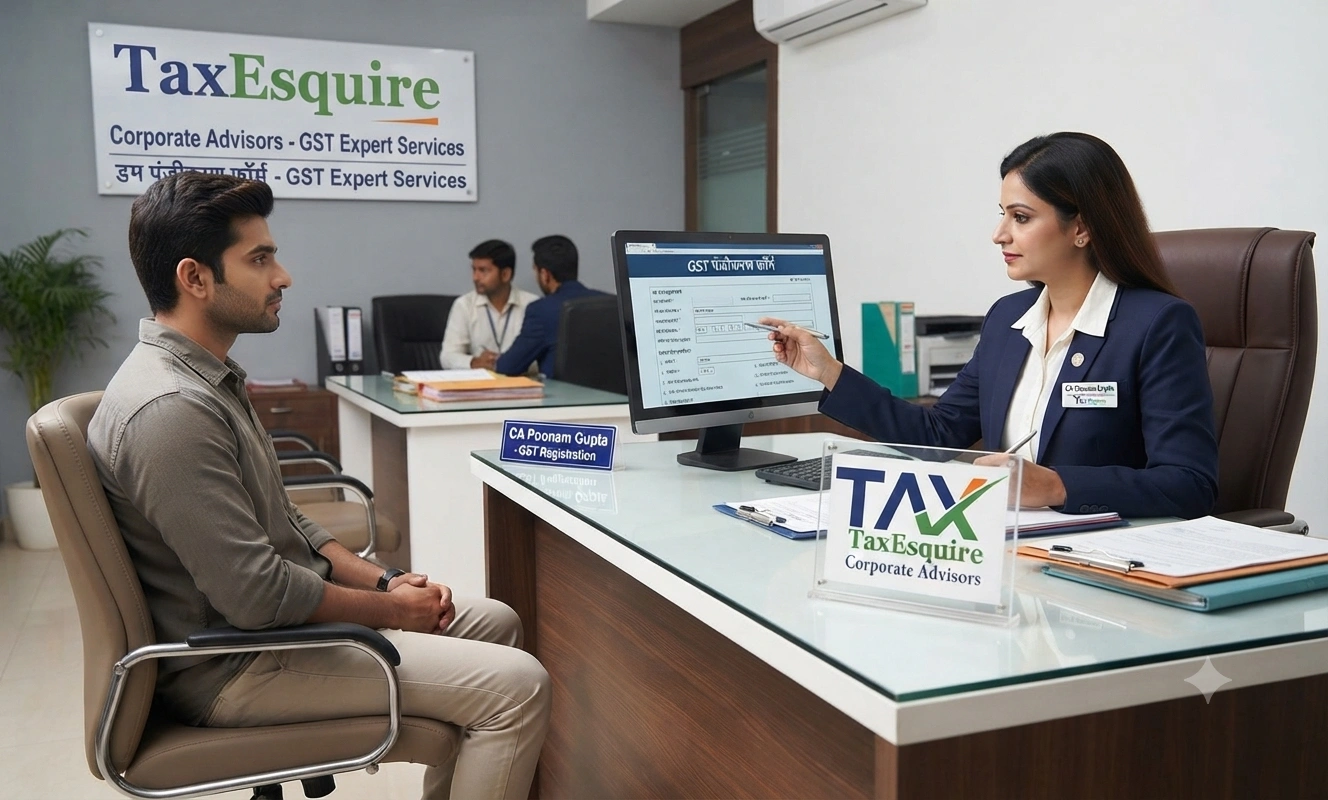
Common GST Notices and How to Respond: A Complete Guide for Indian Businesses in 2026

Common GST Notices and How to Respond
Your complete roadmap to handling GST notices with confidence and compliance
What Exactly Is a GST Notice?
A GST notice is basically an official communication from the GST department asking you to do something or explaining what they've found. It could be a simple request for paperwork, a question about your returns, or something more serious like a demand for unpaid taxes. The thing is, not all notices are bad news—sometimes they're just routine checks.
But here's what matters: how you respond to a GST notice can make or break your case. A wrong move or a late response can turn a small issue into a big headache. So let's walk through the main types of notices you might get and what to do about each one.
Understanding GST notices early helps you stay compliant and avoid penalties. Most notices can be resolved quickly if you respond properly and on time.
The Main Types of GST Notices You'll Encounter
The GST department sends different kinds of notices depending on what they want to check or what they think you've done wrong. Let me break down the ones you're most likely to see.
Notice Under Section 142(1) – Information Request
This is the most common notice. It's basically the GST officer asking you to give them some information or paperwork. They might want to see your invoices, purchase bills, delivery documents, or bank statements. It's not an accusation—they're just trying to verify something.
What I mean is, this notice is usually straightforward. You get 7 days to respond. Just gather what they've asked for and send it on time. If you can't find something, explain why in writing.
- Timeline: You have 7 days to respond
- What to do: Collect the documents they asked for and submit them
- Pro tip: Keep copies of everything you send
- If you can't find it: Write a letter explaining why
Show Cause Notice Under Section 74 – Why You Shouldn't Be Penalized
Now this one's more serious. A show cause notice means the officer believes you've made an error or broken a rule, and they want you to explain yourself. They're basically saying, "We think you owe us money. Tell us why we're wrong."
This is where you need to be careful. You've got 30 days to respond. Don't ignore it. And honestly, this is a good time to get professional help if you haven't already.
- Timeline: 30 days to provide your reply
- Severity: Medium to high—action is needed
- Response type: Written explanation with supporting documents
- Penalty risk: If you lose, you could face penalties plus interest
- Best practice: Get a CA to help you prepare the response
Demand Notice Under Section 73 – You Owe Money
A demand notice is the GST department saying, "You haven't paid the right amount of tax." They've calculated what they think you owe, and they're asking you to pay it. This comes after they've done an audit or investigation.
The key thing here is that you can still challenge it. You don't have to just pay and accept it. You can file an appeal within 30 days of receiving the notice. Put simply, you have options.
- What it means: GST officer has found a tax shortfall
- Payment deadline: Usually 30 days from the notice date
- Can you dispute it: Yes, through appeal
- Interest: You'll pay interest on unpaid taxes from the due date
- Penalty: Additional penalty may apply depending on the situation
Audit Notice – Detailed Verification
An audit notice means the GST officer wants to check your books in detail. They'll look at your returns, invoices, and records. This is more thorough than a simple information request. You'll need to make your books and documents available for inspection.
Honestly, audits aren't always bad. Sometimes they find nothing wrong. But you need to prepare properly. Make sure your records are organized and complete.
- Scope: Full review of GST records and returns
- Timeline: Can take several weeks or months
- Preparation: Organize all invoices, receipts, and documents
- Cooperation: Be responsive and helpful during the process
- Documentation: Keep records of all communications with the officer
- Professional support: Consider hiring a CA to represent you
Don't ignore any GST notice, no matter how small it seems. Missing deadlines can result in penalties, interest, and legal action. If you're unsure how to respond, get professional help immediately.
How to Respond to a GST Notice: Step-by-Step
Here's the practical stuff. When you get a notice, follow these steps to handle it correctly.
Step 1: Read It Carefully and Note the Deadline
First thing—read the entire notice. Don't just skim it. Check the exact deadline for your response. Mark it on your calendar. Add a few days before that as a buffer so you're not rushing at the last minute.
Also note the officer's name, the notice number, and the specific things they're asking for. This matters for your response.
Step 2: Gather All Required Documents
Now pull together what they've asked for. If they want invoices for a specific period, get all of them. If they want proof of payment, get your bank statements. Don't send random stuff—send exactly what they asked for, in the order they asked for it.
If you're missing something, don't panic. Document what you have and write a note explaining what's missing and why.
Step 3: Prepare Your Response Letter
Write a clear, professional response. Start by acknowledging the notice and its date. Then address each point they've raised. If you disagree with something, explain why in simple language. Include supporting documents.
Keep it factual and respectful. Don't get emotional or argumentative. The officer reading this is a person doing their job, and they respond better to clear, honest explanations.
Step 4: Submit Before the Deadline
Send your response through the official GST portal if possible. Keep proof of submission. If you're sending physical documents, use registered mail so you have proof of delivery.
Don't send it on the last day. Send it a few days early. Technical glitches happen, and you don't want to miss the deadline.
Step 5: Follow Up if Needed
After you've submitted, keep a copy of everything. If the officer asks for more information, respond quickly. If you don't hear back within a reasonable time, you can follow up politely to check the status.
| Notice Type | Deadline | Severity |
|---|---|---|
| Information Request (142) | 7 days | Low |
| Show Cause Notice (74) | 30 days | High |
| Demand Notice (73) | 30 days | High |
| Audit Notice | As specified | Medium |
Common Mistakes People Make When Responding to GST Notices
And that's really it when it comes to the basic process. But let me tell you what goes wrong for most people.
- Missing the deadline: This is the biggest mistake. Even if your response is perfect, if it's late, it doesn't count
- Not understanding what they're asking: Read the notice twice. Make sure you know exactly what documents or information they want
- Sending incomplete documents: Don't send partial records. Send everything they asked for, properly organized
- Being defensive or argumentative: Keep your tone professional and respectful, even if you disagree
- Not keeping copies: Always keep proof that you submitted your response
- Trying to handle serious notices alone: For show cause or demand notices, get professional help
Getting professional help from a CA can save you thousands of rupees in penalties and interest. A good response can sometimes get notices withdrawn entirely or significantly reduce the demand.
What to Do If You Disagree With the Notice
So what does this mean for you if you think the notice is wrong? You have rights. You can challenge it through the appeal process.
First, respond to the show cause notice explaining why you disagree. Give clear reasons and supporting documents. Then, if the officer still issues a demand notice, you can appeal to the Appellate Authority. You have 30 days from the date of the order to file an appeal.
The appeal process takes time, but it's worth it if you're confident you're right. Many notices get partially or fully overturned on appeal.
- File your appeal within 30 days of the order
- Include a detailed explanation of why you disagree
- Attach all supporting documents and evidence
- Pay 20% of the disputed amount (if it's a demand notice) or get it waived in certain cases
- Hire a tax professional to represent you
Real-World Example: How to Handle a Demand Notice
Let me walk you through a practical example. Say you get a demand notice for ₹2,00,000 because the officer thinks you claimed input tax credit wrongly on some invoices.
Here's what you do. First, don't panic. Second, get your invoices and supporting documents. Third, review them carefully with a CA. If those invoices are valid and you followed the rules correctly, your CA will prepare a detailed response explaining this. They'll cite the GST rules and show why your claim was correct. Fourth, you submit this response within 30 days.
If the officer agrees with you, the demand is withdrawn. If they don't, you appeal. Many times, appeals succeed because the original assessment had errors.
How to Prevent GST Notices in the First Place
Honestly, the best approach is to avoid getting notices altogether. Here's how.
- File returns on time: Don't miss GST return deadlines. Late filing attracts penalties
- Keep proper records: Maintain invoices, receipts, and delivery documents for at least 5 years
- Match invoices correctly: Make sure your input tax credit matches the supplier's output tax
- Report all transactions: Don't hide any sales or purchases in your returns
- Get professional help: Have a CA review your returns before filing
- Stay updated: Keep learning about GST rule changes
Invoices without proper HSN codes, missing GSTIN, or incorrect tax rates are red flags for GST officers. Make sure every invoice meets GST requirements before you issue it.
Frequently Asked Questions About GST Notices
Q1: What's the difference between a notice and a demand?
A notice is when the officer asks you questions or wants information. A demand is when they've already decided you owe money and they're asking you to pay. Basically, a notice is an investigation, and a demand is the conclusion.
Q2: Can I extend the deadline if I need more time?
You can try. Write to the officer before the deadline explaining why you need more time. They might grant you an extension, but don't count on it. It's better to submit something on time than to ask for an extension and miss the deadline anyway.
Q3: Do I need a CA to respond to a notice?
For simple information requests, you might handle it yourself. But for show cause notices and demand notices, getting a CA is smart. They know the rules, they know how officers think, and they can save you money. In other words, it's an investment that usually pays for itself.
Q4: What happens if I don't respond to a notice?
If you don't respond, the officer can proceed without your input. They might issue a demand based on their own findings. You could also face penalties. So not responding is basically the worst option.
Q5: Can I pay the demand and then appeal?
Yes, you can. You don't have to wait for the appeal to be decided before paying. In fact, paying can sometimes help your case because it shows good faith. But check with a CA first—there might be better strategies depending on your situation.
Q6: How long does an appeal take?
Appeals can take 6 months to 2 years depending on the complexity and the workload of the Appellate Authority. It's not quick, but it's worth the wait if you're confident you're right.
Key Takeaways for 2026 and 2027
As we move through 2026 and into 2027, GST compliance is getting stricter. The department is using better data matching and technology. This means notices are becoming more common, but also more accurate.
Here's what you should remember. First, don't ignore any notice. Second, understand what type of notice it is. Third, respond on time with proper documentation. Fourth, get professional help for serious notices. And fifth, focus on prevention by keeping clean records and filing returns correctly.
- GST notices are normal—they're not always a sign of wrongdoing
- Deadlines are strict—missing them is worse than the original issue
- Professional help is worth the cost for serious notices
- Appeals are possible and often successful
- Prevention is better than cure—maintain good records always
Wrapping Up
Getting a GST notice isn't the end of the world. But it does need your attention and a thoughtful response. The key is to stay calm, understand what they're asking, gather your documents, and respond properly and on time.
If you're unsure at any point, reach out to a qualified CA. They can guide you through the process and help protect your business. And remember, most notices can be resolved if you handle them right.
" } ```
© 2026 Tax Esquire | Expert CA Services in Greater Noida, Uttar Pradesh
8810380146 | info.taxesquire@gmail.com | taxesquire.in
This document is for informational purposes only. For personalised tax advice, consult our chartered accountants.