Employee Leave Management in India: Complete Compliance Guide for 2026-2027
Employee Leave Management in India
Everything HR leaders and business owners need to know about managing leaves legally and effectively
Why Leave Management Matters More Than You Think
Look, I've seen businesses get into real trouble because they didn't handle leave properly. And honestly, it's not that complicated once you understand the basics. Leave management isn't just about keeping employees happy—though that matters. It's about following the law, protecting your business, and creating a system that actually works when someone's sick or needs time off.
The thing is, leave rules in India are governed by multiple laws depending on your business size, location, and industry. Get it wrong, and you're looking at penalties from the Labour Department. Get it right, and you've got a smooth system that saves you headaches.
So what does this mean for you? You need a clear, documented leave policy that aligns with statutory requirements. That's what we're covering today.
Understanding the Legal Framework for Leave in India
Employee leave in India is governed by several key laws. The main ones are the Industrial Employment (Standing Orders) Act, 1946, the Shops and Establishments Act (varies by state), and the Factories Act, 1948 (if applicable). But here's what matters: the rules differ based on how many people you employ.
Basically, if you have 10 or more workers, you're covered under the Standing Orders Act. Below that, state-level Shops and Establishments Acts apply. And if you're in manufacturing with 10+ workers, the Factories Act kicks in too.
Understanding which law applies to you helps you avoid costly compliance mistakes and build a leave policy that actually holds up under scrutiny.
The Standing Orders Act sets minimum standards for leave. But state laws often provide better benefits to workers, so you need to follow whichever is more generous. That's the golden rule.
Types of Leave You Must Provide
And here's where it gets specific. There are several types of leave your employees are entitled to, and you need to provide all of them. Put simply, these are the main categories:
- Casual Leave: Short-term leave for personal work or emergencies. Usually 8-12 days per year.
- Earned Leave (Annual Leave): Paid leave accrued based on days worked. Typically 1 day per 20 days worked (or 12 days per year minimum).
- Sick Leave: Leave for medical reasons. Usually 6-10 days per year, and these don't carry forward.
- Privilege Leave: Common in government and some private sectors. Accrued similar to earned leave.
- Maternity Leave: Compulsory leave for pregnant employees. Minimum 26 weeks under the Maternity Benefit Act (42 weeks for second child).
- Paternity Leave: 5 days for male employees (varies by company policy and state).
But wait—there's more. Different states have different minimums. For example, Maharashtra requires 12 days earned leave, while some other states specify different numbers. You always follow the higher standard.
How to Calculate Earned Leave Correctly
This is where I see most mistakes happen. Earned leave calculation isn't random—it's based on days actually worked. The standard formula under the Standing Orders Act is 1 day of earned leave for every 20 days worked.
So if an employee works 240 days in a year, they get 12 days of earned leave. That's the basic math. But here's what trips people up: you only count days actually worked. Casual leave, sick leave, and holidays don't count.
| Days Worked in Year | Earned Leave Days | Notes |
|---|---|---|
| 200 days | 10 days | Partial year or absences |
| 240 days | 12 days | Full year, standard calculation |
| 260 days | 13 days | Excellent attendance |
To be fair, some companies use a simplified approach and just give fixed days (like 12 days per year). That's allowed as long as it meets the statutory minimum.
Don't count casual leave, sick leave, or holidays toward the 20-day threshold for earned leave calculation. Labour inspectors specifically check this, and getting it wrong can result in penalties and back-pay claims.
Leave Encashment and Carry-Forward Rules
Here's a practical question: what happens to unused leave? Can employees carry it forward? Can they get paid for it?
The answer is: it depends on the type of leave and your policy. Earned leave and privilege leave can be carried forward to the next year, but there's usually a cap. Most companies allow carrying forward up to 30 days, but your policy can be stricter. Casual leave and sick leave typically don't carry forward—if you don't use them, you lose them.
Encashment is trickier. When an employee leaves your company, they're entitled to payment for unused earned leave at their last salary rate. That's mandatory. But for casual and sick leave, you're not required to pay—those are use-it-or-lose-it benefits.
And honestly, this is where disputes happen. So your leave policy needs to be crystal clear about carry-forward limits and encashment rules. Put it in writing, share it with all employees, and stick to it consistently.
Creating a Compliant Leave Policy
A good leave policy is your best defense against disputes and legal issues. So what should it include?
- Clear definitions of each type of leave and how many days employees get
- How leave is calculated and accrued
- Carry-forward rules and maximum limits
- Encashment policy and when it applies
- Approval process and who approves leaves
- Notice period required for planned leave
- Rules for emergency or sick leave
- Consequences of unauthorized absence
And that's not all. Your policy should address special situations too. What happens during maternity leave? How do you handle paternity leave? What about leaves during probation? What's your stance on work-from-home on medical grounds?
The key thing is: once you've written your policy, make sure every employee gets a copy. Have them sign an acknowledgment. This protects you because you've documented that they know the rules.
A well-documented leave policy reduces disputes, prevents legal issues, ensures compliance, and makes leave administration faster and fairer for everyone.
Practical Leave Management in 2026-2027
Okay, so you've got a policy. Now how do you actually manage leaves day-to-day?
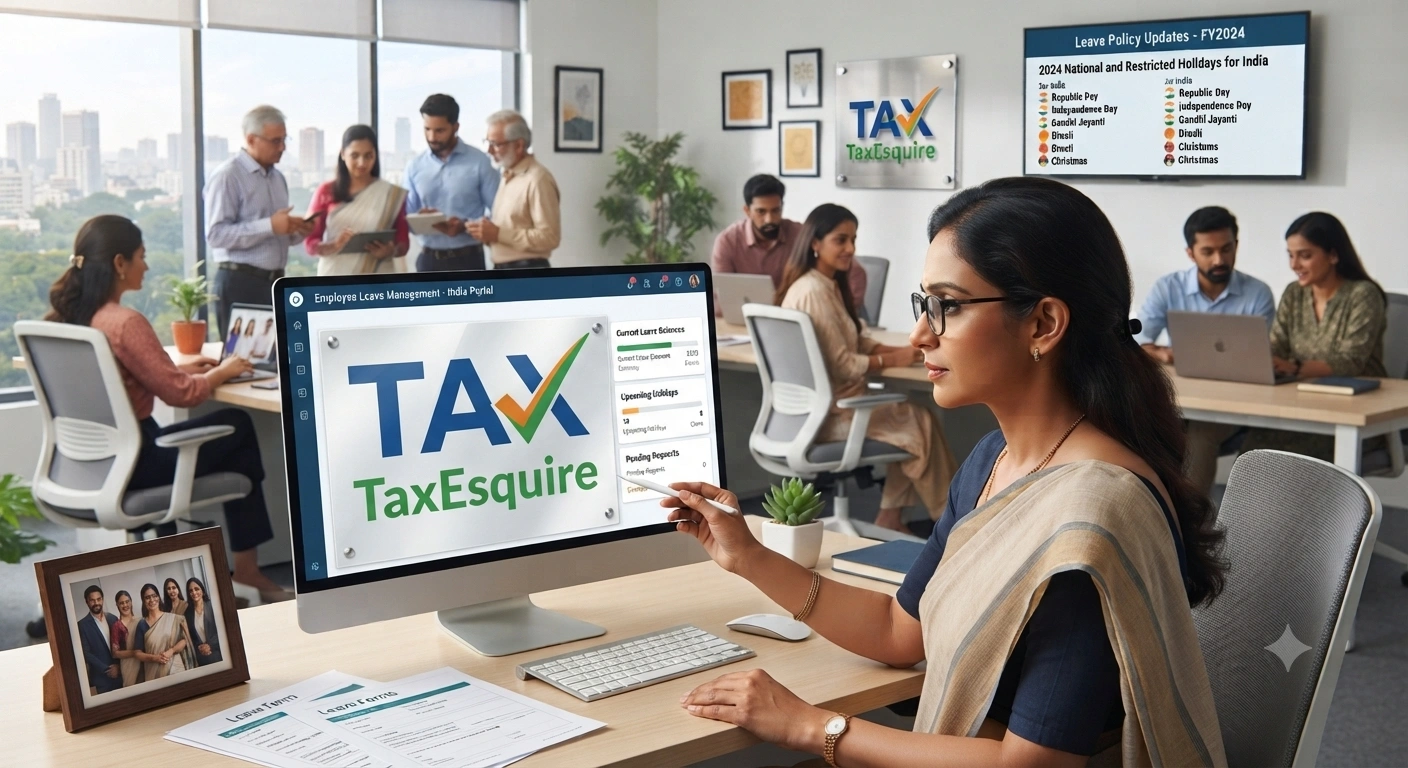
First, invest in a leave management system. It doesn't have to be expensive—even a simple spreadsheet works for small teams. But honestly, cloud-based HR software is better because it tracks everything automatically, reduces manual errors, and gives you compliance reports.
Second, maintain clear records. For every leave taken, document the dates, type of leave, approval, and balance remaining. This is non-negotiable for compliance. Labour inspectors will ask for these records.
Third, be consistent. If you approve a certain type of leave for one employee, apply the same rules to others. Inconsistency invites discrimination complaints and legal trouble.
Fourth, communicate clearly. When an employee takes leave, confirm it in writing. When they return, ensure their balance is updated correctly. No surprises.
Special Situations: Maternity, Paternity, and Medical Leave
These are high-sensitivity areas, and you need to get them right.
Maternity Leave: Under the Maternity Benefit Act, 1961, every pregnant employee is entitled to 26 weeks of maternity leave (8 weeks before delivery, 18 weeks after). For the second child, it's 42 weeks total. This is paid leave, and you can't deny it or make it conditional. Period.
Paternity Leave: There's no national law mandating paternity leave, but many states have rules. The model Standing Orders suggest 5 days. Check your state's specific rules and be generous—it's good HR practice.
Medical Leave: When an employee provides a doctor's certificate, you must accept it as sick leave. You can ask for certificates for absences beyond 3 days, but you can't refuse to approve leave if the certificate is genuine.
Denying maternity leave or treating pregnant employees unfavorably is illegal under multiple laws and can attract criminal penalties. Don't take risks here.
Common Mistakes to Avoid
Based on what I've seen in audits and compliance checks, here are the mistakes that get businesses in trouble:
- Not maintaining records: You need documented proof of all leaves taken, approved, and balances. Without this, you're vulnerable.
- Incorrect calculations: Counting holidays or casual leave toward earned leave calculation is a common error that can cost you.
- No written policy: If you don't have a documented policy, you can't defend your practices during an inspection.
- Inconsistent application: Approving the same leave for one employee but denying it to another (without good reason) opens you to discrimination claims.
- Not paying encashment: When employees leave, not paying for earned leave is illegal and can result in penalties plus interest.
- Ignoring state-specific rules: Every state has variations. Not following your state's rules is a compliance failure.
The thing is, most of these mistakes are preventable with a bit of planning and documentation.
Leave During Probation and Contract Employees
What about people on probation? Are they entitled to leave?
Yes. Probation status doesn't exempt anyone from leave entitlements. Probationers get the same casual leave and sick leave as regular employees. Earned leave accrual starts from day one, though some companies have policies allowing it to be taken only after probation ends (and that's allowed if it's documented).
For contract employees, the rules are similar. They're entitled to statutory leave unless the contract specifically says otherwise (and even then, statutory minimums can't be reduced).
The key principle: you can't use employment status as an excuse to deny statutory leave rights. That's a compliance violation.
Technology and Leave Management in 2026-2027
By now, manual leave registers are outdated. Honestly, if you're still managing leaves on paper, you're making life harder for yourself.
Good HR software does several things automatically: tracks leave balances, sends approval notifications, generates compliance reports, integrates with payroll (for encashment), and maintains audit trails. That last part is really important—audit trails show who approved what and when, which protects you during inspections.
And here's the bonus: most systems send employees their leave balance statements regularly, so there are no surprises at year-end.
Digital leave management reduces errors by 90%, saves HR time, ensures compliance, and creates an audit trail that protects your business during labour inspections.
Compliance Audit Checklist for Leave Management
Want to know if your leave management is compliant? Here's what labour inspectors look for:
- Written leave policy that's been communicated to all employees
- Leave registers or digital records showing all leaves taken
- Approval documentation for each leave
- Correct calculation of earned leave (1 day per 20 days worked)
- Proper encashment at separation or end of year
- Compliance with state-specific leave rules
- Special leave (maternity, paternity, medical) handled correctly
- No unauthorized deductions for leave taken
- Leave balances correctly reflected in salary slips
If you can check all these boxes, you're in good shape.
Frequently Asked Questions
Q1: Can I deny leave if the business is busy?
A: No. Employees have a right to statutory leave. You can't deny it because of workload. What you can do is request employees to postpone planned leave to a convenient time, but you can't refuse it outright. For emergency leave like medical situations, you must approve it.
Q2: What happens if an employee doesn't use all their leave in a year?
A: It depends on your policy and the type of leave. Earned leave can be carried forward (usually up to 30 days), and you pay for unused earned leave when they leave the company. Casual and sick leave typically don't carry forward. Your policy should be clear on this.
Q3: Can I ask for a doctor's certificate for sick leave?
A: Yes, but only for absences beyond 3 consecutive days. For shorter absences, you shouldn't demand certificates. And when a certificate is provided, you must accept it if it's from a registered doctor.
Q4: Do I have to pay for leave when an employee resigns?
A: For earned leave, yes—absolutely. You must pay for all unused earned leave at their last salary. For casual and sick leave, you're not obligated, but many companies do pay as a goodwill gesture. Check your state's rules, as some states require payment for all leave types.
Q5: How do I handle leaves for remote workers?
A: The same rules apply. Whether someone works from home or office, they get the same leave entitlements. Work-from-home isn't a substitute for leave—if someone is on leave, they're not working, even from home.
Final Thoughts: Getting Leave Management Right
Let me be honest with you: leave management seems complicated, but it's really not once you understand the basics. The key is to have a written policy, calculate leaves correctly, maintain records, and be consistent.
And that's really it. Do these four things, and you'll avoid 90% of leave-related problems. The other 10% you handle by staying updated on changes to labour laws (and there are always changes) and getting professional advice when you're unsure.
In 2026 and 2027, as businesses grow and remote work becomes more common, leave management will get more complex. But the fundamentals stay the same: respect statutory rights, document everything, and treat all employees fairly.
Your employees work hard for you. Giving them the leave they're entitled to isn't a burden—it's good business sense and good ethics.
" } ```
© 2026 Tax Esquire | Expert CA Services in Greater Noida, Uttar Pradesh
8810380146 | info.taxesquire@gmail.com | taxesquire.in
This document is for informational purposes only. For personalised tax advice, consult our chartered accountants.