GST Compliance for Startups in 2026: A CA's Complete Roadmap
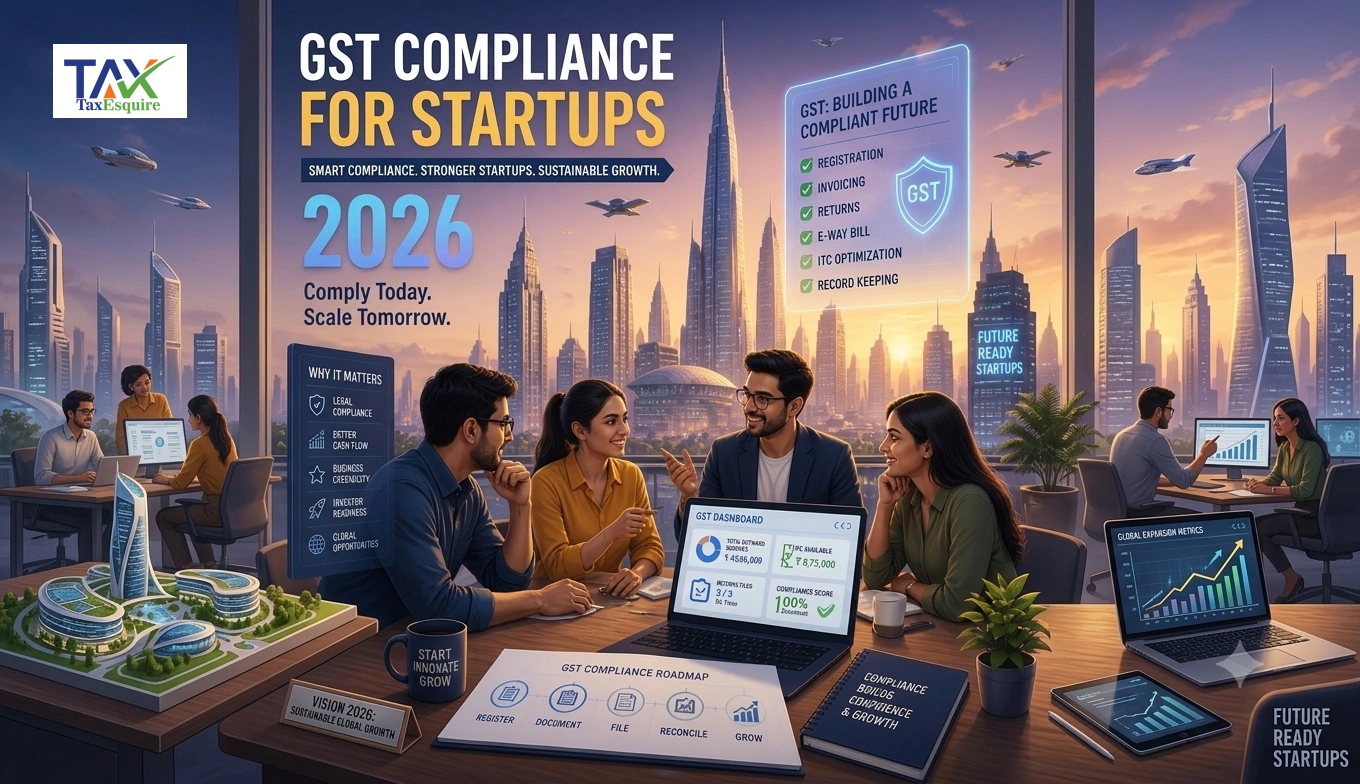
GST Compliance for Startups in 2026
Everything your startup needs to know about GST registration, filing, and staying audit-ready
Why GST Matters for Your Startup Right Now
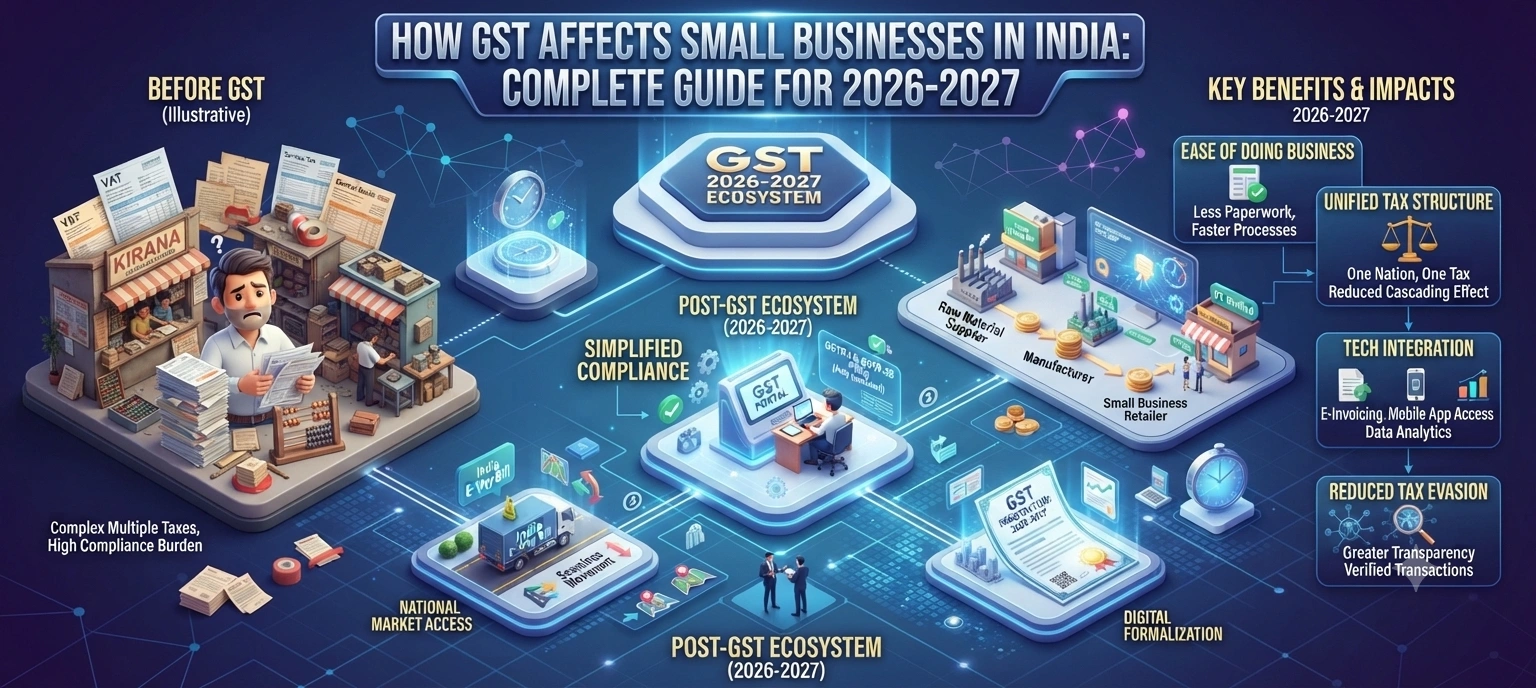
Look, if you're starting a business in 2026, GST isn't something you can ignore. It's the biggest indirect tax change India's seen in decades, and getting it wrong can cost you serious money—not just in penalties, but in lost time and credibility.
The thing is, most startups think GST is just about filing a form once. But it's actually a continuous compliance requirement that touches every part of your business—from the moment you buy inventory to when you send an invoice to a customer. So what does this mean for you? It means you need a solid plan before you even register.
And here's what I see happen with most new businesses: they wait until they're forced to register, then panic. By then, they've already made mistakes that are hard to fix. So let's walk through this step by step.
Getting GST right from day one saves you from costly audits, penalties, and reputational damage. Plus, you'll have clean books that banks and investors actually want to see.
Who Needs to Register for GST?
Not every startup needs GST registration right away. But the rules are clearer now in 2026, and there's less room for guessing. Let me break down the thresholds.
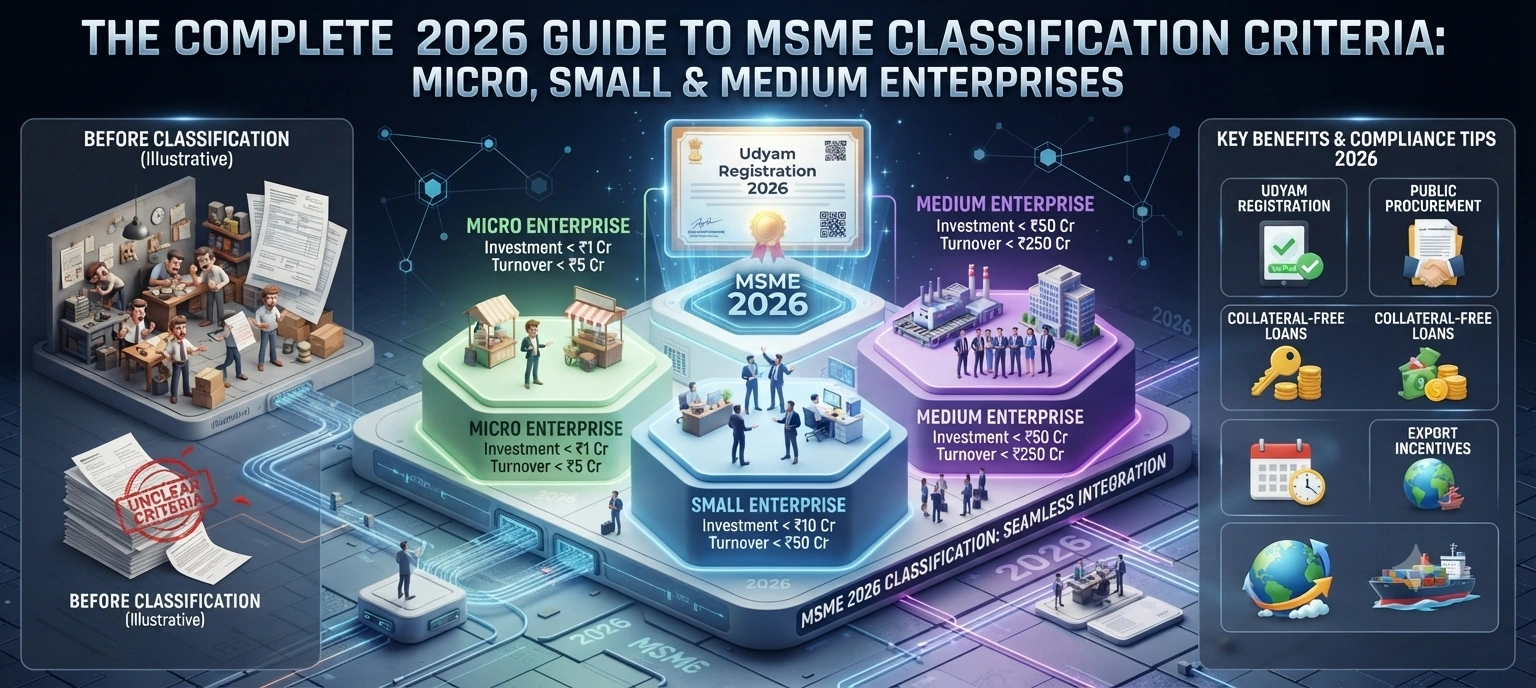
- If your turnover crosses ₹40 lakhs in a financial year, you must register. No exceptions.
- If you're in the supply of services and hit ₹20 lakhs, registration is compulsory.
- If you're importing goods or providing services to other businesses regularly, you need to register even below these limits.
- If you're making supplies that are treated as inter-state supplies, the threshold is ₹40 lakhs regardless of service or goods.
- Some businesses—like restaurants, bars, and certain professional services—have different rules. Check with your CA.
But here's the thing: even if you're below the threshold, you might want to register voluntarily. Why? Because it gives you input tax credit, which means you can claim back GST you've paid on your purchases. For a startup buying equipment, inventory, or services, this can be a big deal financially.
Basically, if you're in a business where you're buying a lot of taxable goods or services, voluntary registration often makes sense, even if you're not forced to register yet.
Don't rely on your accountant's word alone. Check the GST portal yourself and keep documents proving your turnover. If you're audited and can't show your calculation, the authorities will assume you crossed the threshold and slap you with penalties.
Step-by-Step GST Registration in 2026
Registration is now fully online, and it's actually pretty straightforward if you have your documents ready. Here's what you'll need to do.
Gather Your Documents First
Before you even log into the GST portal, have these ready:
- PAN of the proprietor, partner, or director
- Aadhar card (linked to PAN)
- Business address proof—utility bill, rent agreement, or property tax receipt
- Bank account details (the account must be in the business name)
- Authorization letter if someone else is applying on your behalf
- Incorporation certificate if you're a company
Fill Out Form GST REG-01
This is the main registration form. You'll fill it on the GST portal at gst.gov.in. The form asks for your business details, address, turnover, and what you're selling. It takes about 20-30 minutes if you're prepared.
And that's really it—no more going to offices or waiting in lines. You submit online, and the system either approves you automatically or asks for more documents.
Get Your GSTIN
Once approved, you get a 15-digit GSTIN (GST Identification Number). This is your GST identity. You'll use it on every invoice, every return, and every communication with the tax department. Keep it safe.
| Registration Type | Timeline | Key Requirement |
|---|---|---|
| Automatic approval | Same day to 3 days | All documents uploaded correctly |
| Manual verification | 5-7 days | Officer checks your documents |
| Physical verification | 10-15 days | Officer visits your address |
Understanding GST Filing Requirements
Once you're registered, you're in the system. And the system expects you to file returns regularly. But here's where a lot of startups get confused—there are different returns for different situations, and the deadlines are tight.
Monthly Returns (Form GSTR-1 and GSTR-3B)
If you're a regular GST taxpayer (not under composition scheme), you need to file two returns every month. GSTR-1 is where you report all your sales—who you sold to, how much tax you charged. GSTR-3B is where you report what GST you owe after adjusting for the tax you paid on your purchases.
The deadline? The 11th of the following month. So if you sold in January, you file by February 11th. Miss this, and you'll face late fees. And honestly, after the first time, it becomes a routine.
Quarterly Returns if You're Under Composition Scheme
Some startups qualify for the composition scheme, which is simpler. You pay a fixed percentage of your turnover as GST instead of filing detailed monthly returns. It's only available if your turnover is below ₹1.5 crores and you're not in certain restricted businesses.
If you're under composition, you file quarterly returns instead. That's four returns a year instead of twelve. The downside? You can't claim input tax credit, and you can't supply to other GST-registered businesses. So it's not right for everyone.
Annual Return (Form GSTR-9)
Every year, you also file an annual return. This is basically a summary of your entire year's transactions. It's due by December 31st of the following year. This is where discrepancies get caught, so make sure your monthly filings match your annual filing.
Filing on time builds your compliance record. When you apply for loans or credit, banks love seeing clean GST returns. It shows you're organized and trustworthy.
Input Tax Credit: Your Money Back
Here's where GST actually works in your favor. If you buy goods or services for your business, you pay GST on them. But you can claim this back as input tax credit. Put simply, you're not really paying GST—your customer is, through the price you charge them.
But—and this is a big but—you can only claim credit if you have proper documents. Every invoice you receive must have the seller's GSTIN, the tax amount, and a valid invoice number. If the invoice is missing these, you can't claim the credit, even if you actually paid the money.
So what does this mean for you? It means you need to be careful about who you buy from. If your supplier isn't registered for GST or isn't charging GST properly, you're stuck paying the tax yourself.
- Always ask for tax invoices, not just receipts
- Check that the GSTIN on the invoice matches the supplier's actual registration
- Keep all invoices organized—you'll need them for audits
- Don't claim credit for expenses that aren't allowed (like personal expenses or entertainment)
- File your GSTR-1 on time so your supplier's GSTR-2A matches your claims
Common GST Mistakes Startups Make
I've seen the same mistakes over and over. Let me tell you what to avoid.
Mistake 1: Wrong Tax Rate on Invoices
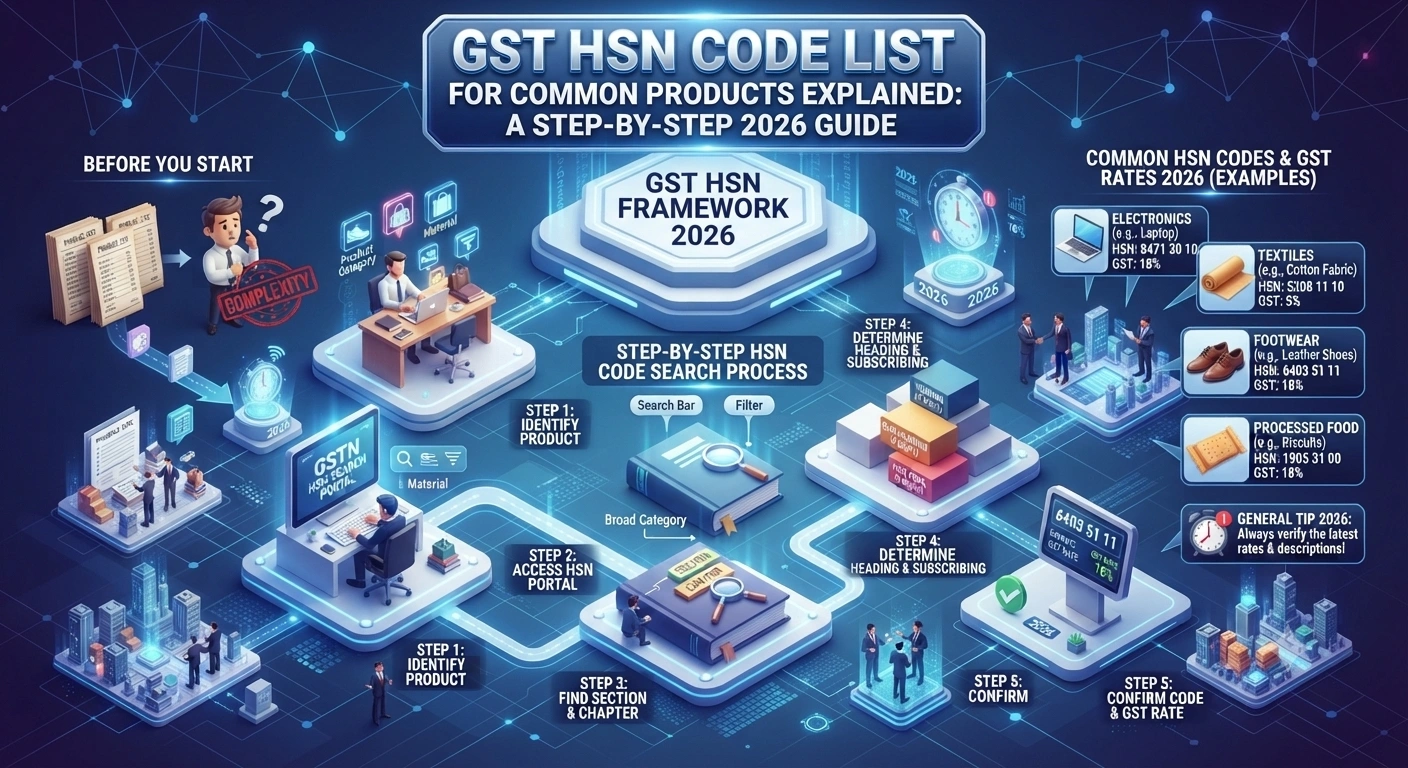
Different products have different GST rates—5%, 12%, 18%, or 28%. If you charge the wrong rate, your return won't match your invoices, and the tax department will notice. I had a startup that charged 18% on items that should've been 5%. They had to file an amended return and pay interest. Don't be that startup.
Mistake 2: Not Maintaining Proper Records
GST is all about documentation. If you can't show where your sales came from or where your purchases went, you're in trouble during an audit. Use accounting software that tracks GST automatically. Don't do this on spreadsheets.
Mistake 3: Missing the Filing Deadline
Late filing attracts penalties—₹200 per day for GSTR-1, up to ₹5,000. And if you're consistently late, the tax department starts asking questions. Set a calendar reminder. Seriously.
Mistake 4: Claiming Credit for Non-Compliant Invoices
If the invoice doesn't have all the required details, don't claim the credit. The system will flag it, and you'll have to reverse the credit and pay interest. It's not worth the risk.
Mistake 5: Mixing Personal and Business Expenses
You can't claim input credit for your personal expenses. If you buy a laptop for yourself and claim it as business expense, that's fraud. Keep personal and business spending separate.
GST audits are becoming more frequent in 2026. The tax department is using data analytics to find discrepancies. If your return doesn't match your bank deposits or your supplier's records, you'll be audited. Make sure your numbers add up.
GST Audits: What to Expect
If your annual turnover crosses ₹2 crores, you need a GST audit. But even below that threshold, you can be audited if the department suspects something's wrong. And honestly, being audited isn't the end of the world if you've done things right.
The auditor will check your invoices, your payments, your input claims, and your bank records. They're looking for mismatches. So what should you do? Keep everything organized. Have a file for each month with all invoices, payment receipts, and bank statements. Make the auditor's job easy.
And here's something most startups don't know: if the audit finds errors in your favor, you get a refund. So don't be scared of audits. If you've been compliant, they'll just confirm that you've been doing things right.
| Audit Type | When It Happens | What's Checked |
|---|---|---|
| Mandatory audit | Turnover above ₹2 crore | All transactions for the year |
| Risk-based audit | System flags discrepancies | Specific areas of concern |
| Physical verification | Suspected fraud or evasion | Stock, premises, records |
Tools and Software to Stay Compliant
You don't need to do all this manually. There's good software out there that makes GST compliance easy. And honestly, for a startup, investing in the right tool is one of the best decisions you can make.
- Tally ERP—India's most popular accounting software, with built-in GST features
- Zoho Books—cloud-based, affordable, and easy to use
- Busy—designed specifically for small businesses and startups
- Vyapar—simple GST billing software if you're just starting out
- GST portal itself—you can file directly, but it's manual and time-consuming
- Your CA's software—many CAs offer integrated services with their own systems
The best tool is the one you'll actually use consistently. So pick something that fits your budget and your comfort level with technology.
GST and E-commerce: Special Rules for 2026
If you're selling on e-commerce platforms like Amazon or Flipkart, there are special GST rules you need to know. The marketplace operator is responsible for collecting GST on your behalf, but that doesn't mean you're off the hook.
You still need to file returns showing all your sales, even if the platform is handling the tax collection. And you need to track your input credits separately. It's different from selling directly to customers, so don't assume your regular process will work.
And here's something important: if you're selling goods across state lines through e-commerce, the GST treatment might be different. Talk to your CA before you start selling on these platforms.
Penalties and How to Avoid Them
The tax department has gotten serious about penalties. In 2026, they're stricter than ever. But most penalties are avoidable if you just follow the rules.
| Violation | Penalty | How to Avoid |
|---|---|---|
| Late GSTR-1 filing | ₹200/day, max ₹5,000 | File by 11th of next month |
| Late GSTR-3B filing | ₹200/day, max ₹5,000 | File by 20th of next month |
| No registration despite crossing threshold | 10% of tax due, min ₹10,000 | Register immediately when you hit the limit |
| False input credit claim | 25% of wrongly claimed amount | Only claim credit with valid invoices |
| Issuing incorrect invoice | 5% of invoice value, min ₹500 | Double-check details before issuing |
Frequently Asked Questions
Q: Do I need to register for GST if I'm a freelancer?
A: If your annual income crosses ₹20 lakhs, yes. But honestly, even below that, voluntary registration can help if you're buying a lot of supplies. The input credit can save you money.
Q: What happens if I file my GST return late?
A: You'll pay a late fee of ₹200 per day, capped at ₹5,000 for GSTR-1 and ₹5,000 for GSTR-3B. But that's just the fine. You'll also face interest on the unpaid tax. So file on time—it's not worth the extra cost.
Q: Can I claim GST paid on my home office rent?
A: Only if you have a separate commercial space. If you're working from home, the rent is personal, and you can't claim it. But if you rent a dedicated office or co-working space, yes, you can claim the GST.
Q: What's the difference between GSTR-1 and GSTR-3B?
A: GSTR-1 is where you list all your sales and the tax you charged. GSTR-3B is where you calculate how much GST you actually owe after adjusting for the tax you paid on your purchases. Think of GSTR-1 as the details and GSTR-3B as the summary.
Q: What if I made a mistake in my GST return?
A: You can file an amended return. But the sooner you do it, the better. If you discover the mistake yourself and correct it, the penalty is lower than if the tax department finds it first.
Q: Is there a grace period for first-time GST registrations?
A: Not really. You're expected to comply from day one. But if you register late and can show it was unintentional, the penalty might be reduced. So register as soon as you hit the threshold.
Final Thoughts: Your Compliance Checklist for 2026
Getting GST right isn't complicated, but it does need attention. Here's what you should do right now:
- Check if you need to register—calculate your turnover honestly
- Get registered before you hit the threshold, not after
- Set up accounting software that handles GST automatically
- Create a filing calendar with reminders for GSTR-1, GSTR-3B, and annual returns
- Keep all invoices and documents organized—you'll need them for audits
- Work with a CA who understands GST—it's worth the cost
And honestly, the biggest thing I'd tell any startup is this: don't ignore GST thinking you're too small. The tax department is watching everyone now, and the penalties are real. But if you follow the rules from day one, you'll never have a problem. In fact, you'll have clean books that'll help you when you want to grow, get loans, or bring in investors.
So get your compliance right. Your future self will thank you.
" } ```
© 2026 Tax Esquire | Expert CA Services in Greater Noida, Uttar Pradesh
8810380146 | info.taxesquire@gmail.com | taxesquire.in
This document is for informational purposes only. For personalised tax advice, consult our chartered accountants.