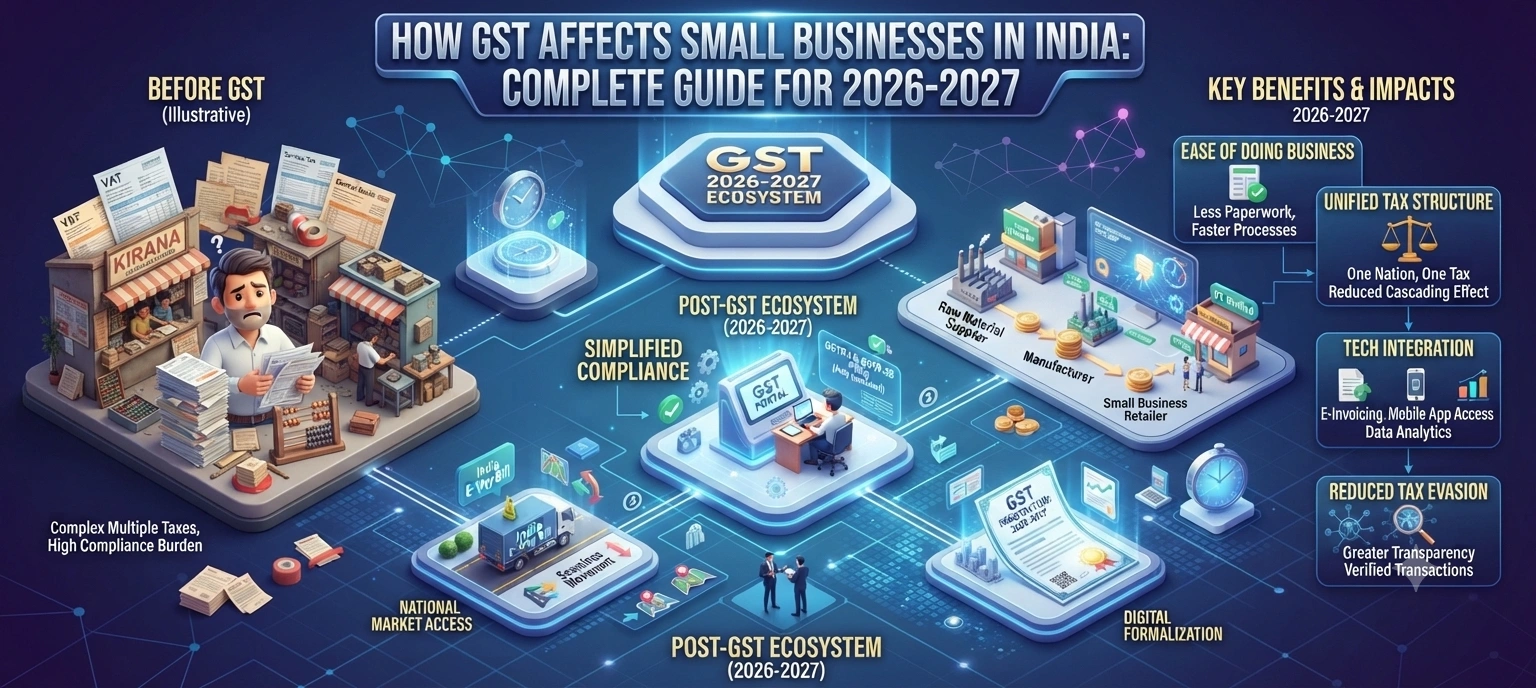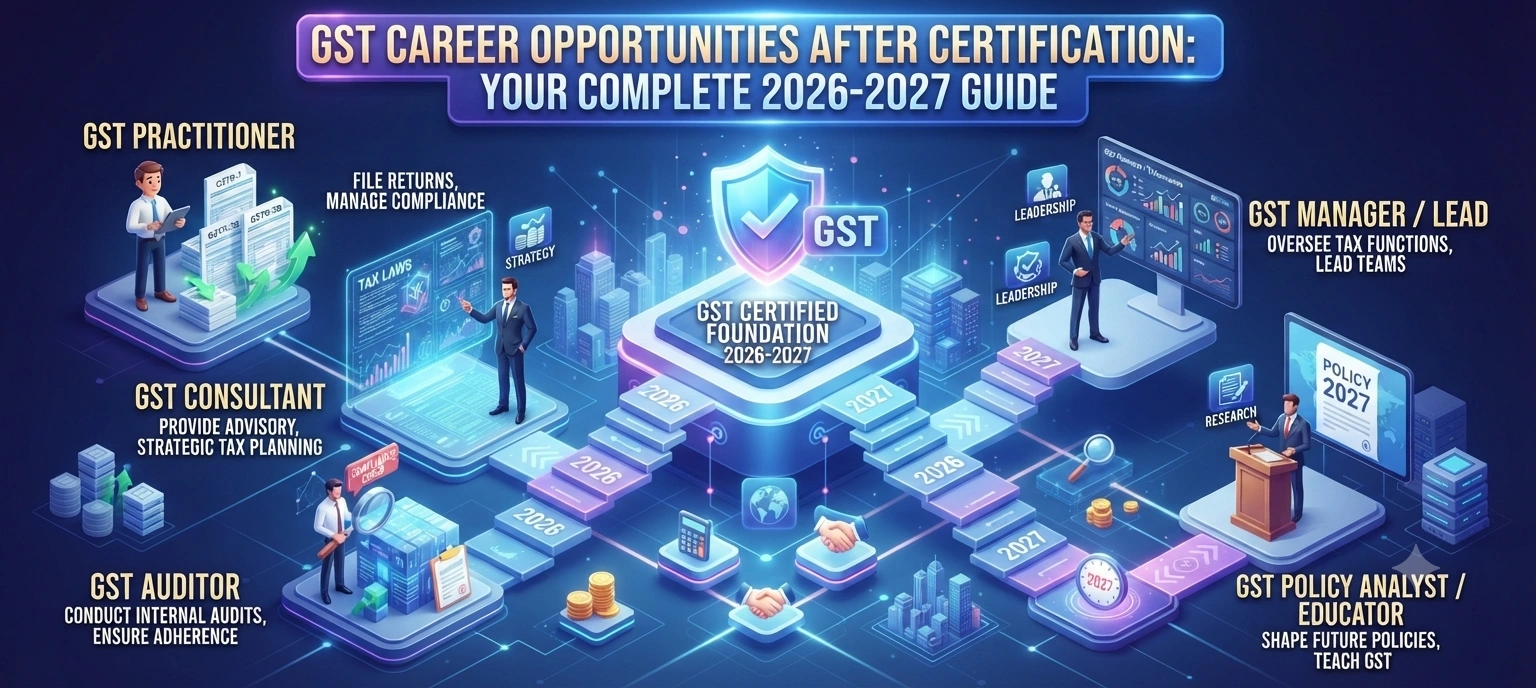
Notices in 2025: How to Reply and Avoid Penalties
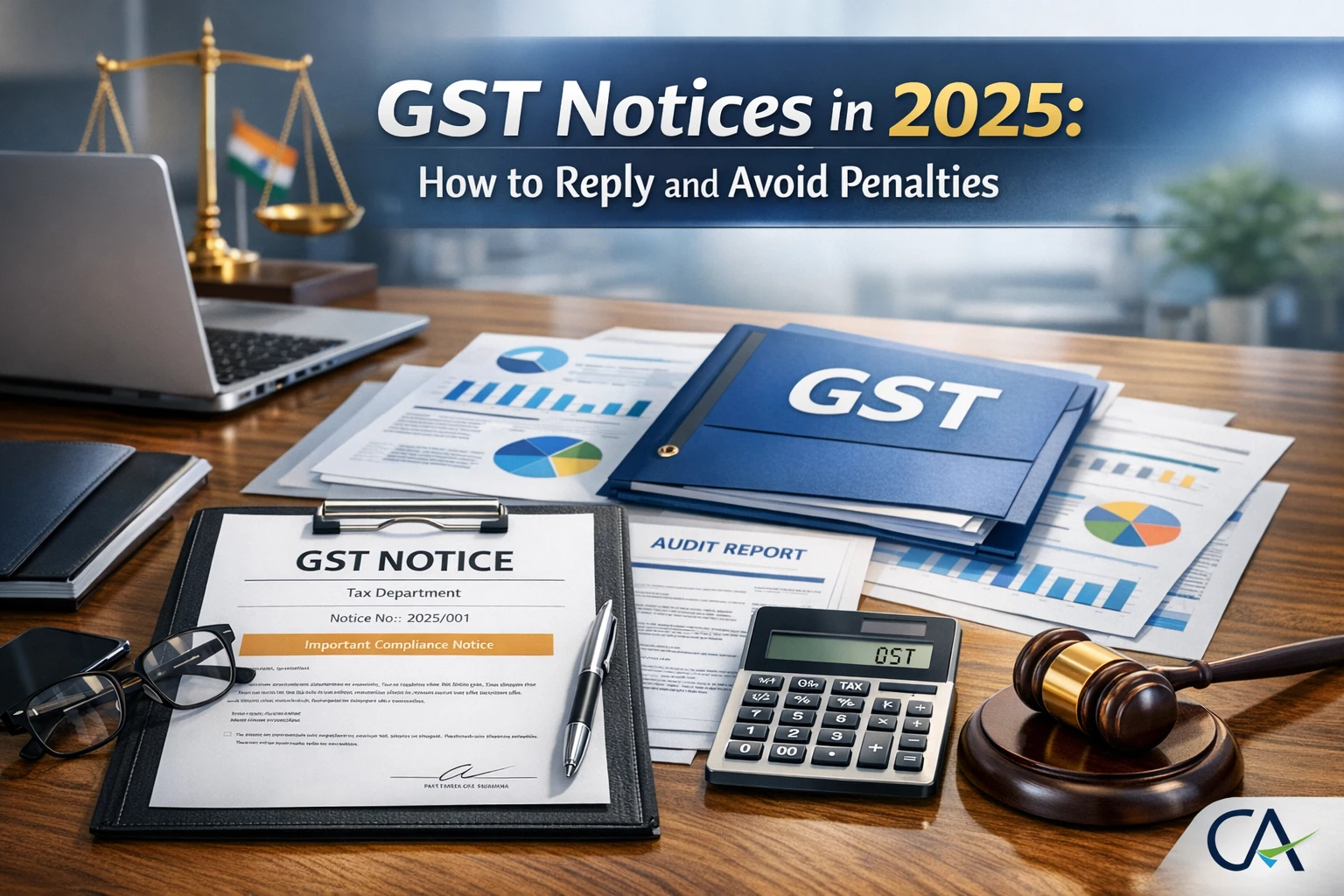
GST Notices in 2025
A practical step-by-step guide for businesses facing ASMT-10, DRC-01, and Section 73/74 GST scrutiny notices in India.
The year 2025 has witnessed an unprecedented surge in GST notices issued by the department. With AI-driven data analytics, BIFA (Business Intelligence and Fraud Analytics), and tighter integration between GSTR-1, GSTR-3B, GSTR-2B, and e-way bill portals, the GST Department is now identifying mismatches within minutes. Businesses across India, from MSMEs to large corporates, are receiving notices such as ASMT-10, DRC-01A, DRC-01, and Show Cause Notices under Section 73 and Section 74 of the CGST Act, 2017.
A casual or delayed response can convert a minor mismatch into a heavy demand order with interest and penalties. This comprehensive guide explains how to identify, interpret, and respond effectively to GST notices in 2025 — and how professional CA representation can save your business from substantial financial damage.
Why Are GST Notices Increasing in 2025?
The GST Network (GSTN) has become highly automated. Returns filed by you are cross-verified against suppliers' filings, customers' filings, e-way bills, e-invoices, ICEGATE data, income tax returns, and even bank transactions. The department now uses AI to flag inconsistencies, triggering automatic notices.
- ITC mismatch between GSTR-3B and GSTR-2B
- Turnover variance between GSTR-1, GSTR-3B, and income tax returns
- E-way bill discrepancies vs. actual invoices reported
- Non-payment of RCM liability on imports, GTA, and legal services
- Excess ITC claimed beyond auto-populated GSTR-2B
- Late or non-filing of returns triggering Section 46 notices
- Mismatch with e-invoicing data for businesses above ₹5 crore turnover
Types of GST Notices You May Receive in 2025
| Notice Form | Purpose | Response Deadline |
|---|---|---|
| ASMT-10 | Scrutiny of returns — discrepancies identified | 30 days (ASMT-11 reply) |
| DRC-01A | Pre-show cause intimation of liability | As specified (DRC-03 payment or DRC-01A Part B reply) |
| DRC-01 | Show Cause Notice u/s 73 or 74 | 30 days (DRC-06 reply) |
| REG-03 | Clarification on registration | 7 working days |
| CMP-05 | Show cause on composition eligibility | 15 days |
| Section 61 / Section 65 / Section 66 | Scrutiny, Audit, Special Audit | As specified in notice |
Understanding ASMT-10: The First Red Flag
Form ASMT-10 is issued under Section 61 of the CGST Act when the proper officer scrutinizes returns and finds discrepancies. It is essentially the first warning shot — an opportunity to explain before the matter escalates to a formal demand.
You must respond in Form ASMT-11 within 30 days, providing a detailed explanation supported by reconciliation statements, invoices, ledgers, and legal arguments where applicable.
Ignoring ASMT-10 leads to escalation to DRC-01 with full-blown demand, interest @18% p.a., and penalty up to 100% of tax under Section 74 if fraud is alleged.
Decoding DRC-01 and Section 73/74 Notices
Form DRC-01 is the formal Show Cause Notice (SCN) demanding tax, interest, and penalty. It is issued under:
- Section 73 — for non-fraud cases (short payment, wrong ITC, etc.). Penalty: 10% of tax or ₹10,000 (whichever is higher).
- Section 74 — for fraud, willful misstatement, or suppression of facts. Penalty: 100% of tax demanded.
Reply must be filed in Form DRC-06 within 30 days, accompanied by supporting documents, reconciliations, and legal precedents.
Step-by-Step Process to Handle a GST Notice in 2025
Step 1: Verify Authenticity – Log in to the GST portal and confirm the notice under the “View Notices and Orders” section. Ensure the GSTIN, reference number, and issuing authority details are correct.
Step 2: Review the Notice Carefully – Read the notice thoroughly to understand the reason for issuance, applicable GST provisions, discrepancies highlighted, and the response deadline mentioned by the department.
Step 3: Prepare Supporting Documents – Collect all relevant invoices, GST returns, reconciliation statements, tax payment proofs, e-way bills, and other supporting records required for clarification.
Step 4: Submit a Timely Response – Draft a proper reply with supporting attachments and submit it through the GST portal within the prescribed timeline to avoid penalties or further legal action.
© 2026 Tax Esquire | Expert CA Services in Greater Noida, Uttar Pradesh
8810380146 | info.taxesquire@gmail.com | taxesquire.in
This document is for informational purposes only. For personalised tax advice, consult our chartered accountants.