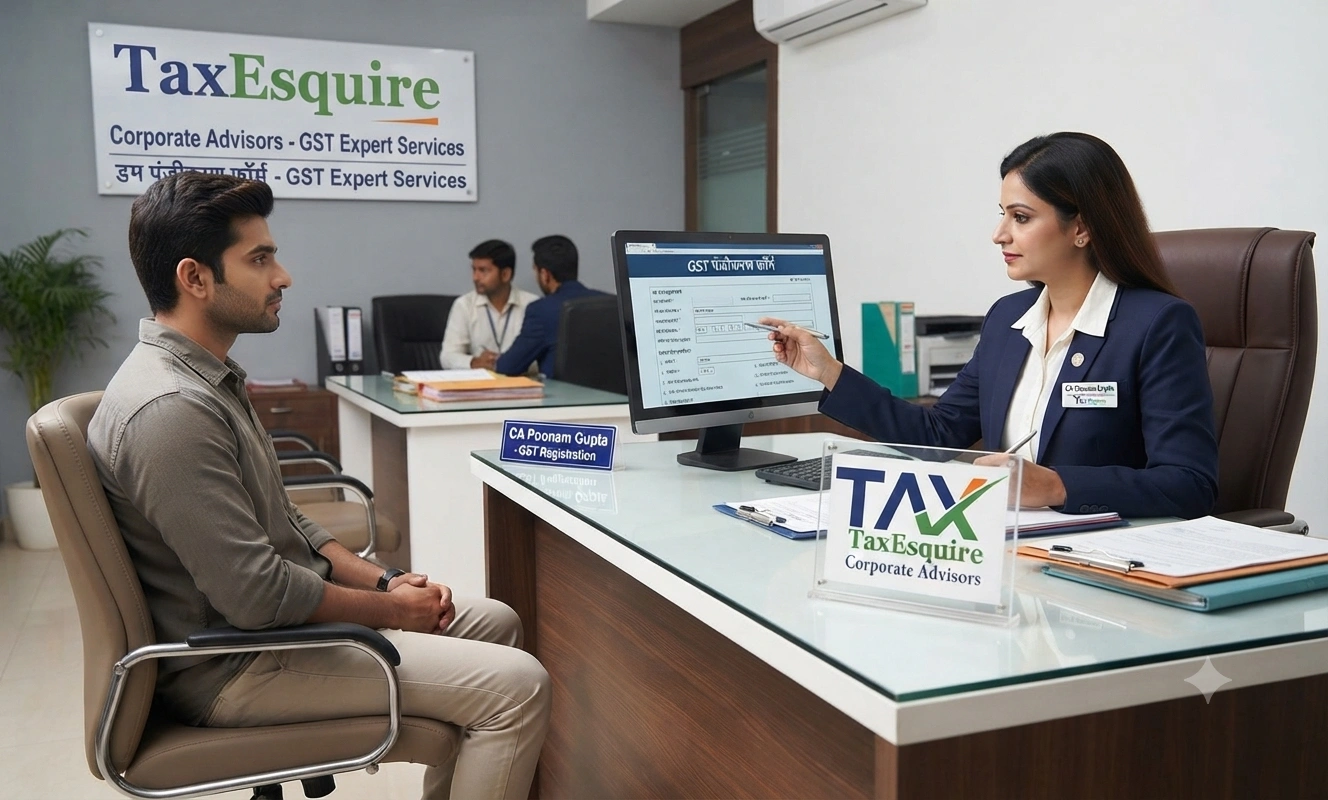
Private Limited Company Registration: Complete Checklist & Due Diligence Guide 2024

Private Limited Company Registration
Master the complete process of private limited company registration with our expert-backed comprehensive guide covering all statutory requirements, documentation, and compliance essentials.
Introduction to Private Limited Company Registration
Private limited company registration is a critical milestone for entrepreneurs and business owners seeking to establish a formal corporate entity in India. A private limited company is a separate legal entity with limited liability, perpetual succession, and the ability to enter into contracts independently. Unlike public companies, private limited companies restrict the transfer of shares and limit the number of members to a maximum of 200.
The registration process involves multiple statutory steps, documentation requirements, and compliance obligations under the Companies Act, 2013. This comprehensive guide provides a detailed checklist and due diligence framework to ensure smooth incorporation and regulatory compliance.
Private limited company registration provides limited liability protection, perpetual succession, enhanced credibility, and access to institutional funding and credit facilities.
Pre-Registration Due Diligence Checklist
Before initiating the formal registration process, entrepreneurs must complete essential pre-registration due diligence to ensure smooth incorporation and avoid future complications.
- Verify company name availability and conduct trademark search
- Obtain Digital Signature Certificate (DSC) for all directors
- Secure Aadhaar and PAN for all proposed directors and shareholders
- Verify director eligibility and check disqualification status
- Obtain registered office address proof and NOC from landlord
- Prepare detailed business plan and financial projections
- Identify initial shareholders and determine shareholding pattern
- Conduct background verification of all promoters
Ensure all directors are not disqualified under Section 164 of the Companies Act, 2013. Disqualified persons cannot be appointed as directors and can face penalties up to Rs. 5 lakhs.
Essential Documents for Company Registration
Gathering and preparing accurate documentation is fundamental to successful private limited company registration. The following documents are mandatory for ROC filing:
| Document | Purpose & Details |
|---|---|
| Memorandum of Association (MOA) | Defines company's external relations, objects, and powers. Must be signed by all subscribers. |
| Articles of Association (AOA) | Governs internal management and administration. Defines rights and duties of members and directors. |
| Affidavit of Directors | Sworn statement confirming director eligibility and non-disqualification status. |
| Registered Office Address Proof | Utility bills, lease deed, or NOC from property owner dated within 2 months. |
| Director Identification Number (DIN) | Unique 8-digit number issued by MCA for each director. Mandatory for all directors. |
| Digital Signature Certificate (DSC) | Class 2 or Class 3 DSC required for all directors for e-filing with ROC. |
| Identity & Address Proof | Passport, Aadhaar, PAN, or voter ID for all directors and shareholders. |
| Consent of Directors | Written consent from each director to act as director of the company. |
Understanding MOA and AOA
The Memorandum of Association (MOA) and Articles of Association (AOA) are foundational constitutional documents that define the company's structure and governance framework.
Memorandum of Association (MOA)
The MOA defines the company's external relations and contains five essential clauses:
- Name Clause: Specifies the company name with "Private Limited" suffix
- Registered Office Clause: Identifies the state where registered office is located
- Objects Clause: Details the company's business objectives and activities
- Liability Clause: Confirms limited liability of members
- Capital Clause: Specifies authorized capital and share structure
Articles of Association (AOA)
The AOA governs internal management and contains provisions regarding:
- Directors' appointment, removal, and powers
- Shareholders' meetings and voting rights
- Share transfer restrictions and procedures
- Dividend distribution and financial management
- Board meetings and decision-making procedures
Well-drafted MOA and AOA provide clarity on governance, reduce disputes, facilitate smooth operations, and enhance investor confidence in the company's management structure.
Director Requirements and Eligibility
A private limited company must have a minimum of two directors. Understanding director eligibility criteria is essential to avoid registration delays and penalties.
Director Eligibility Criteria
- Must be at least 18 years of age
- Must possess valid Director Identification Number (DIN)
- Must not be disqualified under Section 164 of Companies Act, 2013
- Must not be an undischarged insolvent
- Must not have been convicted of any offense involving fraud or dishonesty
- Must not have been removed from directorship in previous 5 years
- Must not have defaulted in filing financial statements or annual returns
Obtaining Director Identification Number (DIN)
DIN is a unique 8-digit identification number issued by the Ministry of Corporate Affairs. The process involves:
- Online application through MCA portal (www.mca.gov.in)
- Submission of identity and address proof
- Verification by Registrar of Companies
- DIN issuance within 7-10 working days
Appointing a disqualified person as director can result in penalties up to Rs. 5 lakhs for the company and Rs. 1 lakh for the director. Always verify director eligibility before appointment.
ROC Filing Process and Procedures
The Registrar of Companies (ROC) filing is the formal step that incorporates the company. The process involves online submission of documents through the MCA portal.
Step-by-Step ROC Filing Process
- Step 1 - Name Approval: Apply for company name approval through Form INC-1 on MCA portal. Approval typically granted within 1-2 days.
- Step 2 - Obtain DSC: All directors must obtain Class 2 or Class 3 Digital Signature Certificate from authorized certifying authorities.
- Step 3 - Prepare Documents: Draft MOA, AOA, director affidavits, and consent letters with proper signatures.
- Step 4 - e-Filing: Submit Form INC-32 (Memorandum of Association), Form INC-33 (Articles of Association), and supporting documents through MCA portal.
- Step 5 - ROC Verification: ROC verifies documents and may raise queries or objections. Respond within specified timeframe.
- Step 6 - Certificate of Incorporation: Upon approval, ROC issues Certificate of Incorporation, making the company a legal entity.
Timeline and Processing
The typical timeline for private limited company registration is 7-15 working days from filing, depending on document completeness and ROC workload. Name approval takes 1-2 days, while final incorporation takes 5-10 days after document submission.
Post-Registration Compliance Obligations
Obtaining the Certificate of Incorporation is not the end of the process. Companies must comply with multiple statutory obligations post-registration.
Immediate Post-Registration Steps
- Open company bank account with Certificate of Incorporation and MOA/AOA
- Obtain Permanent Account Number (PAN) from Income Tax Department
- Register for Goods and Services Tax (GST) if turnover exceeds threshold
- Register with Employees Provident Fund (EPF) if employing staff
- Register with Employees State Insurance (ESI) for employee benefits
- Obtain Professional Tax registration from state authorities
- File Form INC-21 (Particulars of Situation of Registered Office) within 30 days
Ongoing Compliance Requirements
| Compliance Requirement | Frequency | Form/Document |
|---|---|---|
| Annual General Meeting (AGM) | Annually within 6 months of FY end | Form MGT-7 |
| Annual Return Filing | Annually within 60 days of AGM | Form MGT-7 |
| Financial Statements Filing | Annually within 30 days of AGM | Form AOC-4 |
| Board Meetings | Minimum 4 per year, quarterly | Board Minutes |
| Income Tax Return Filing | Annually by July 31 | ITR-4/ITR-5 |
| GST Return Filing | Monthly/Quarterly | GSTR-1, GSTR-3B |
| Statutory Audit | Annually if turnover exceeds Rs. 1 crore | Audit Report |
Common Mistakes to Avoid During Registration
Understanding common pitfalls helps entrepreneurs avoid delays and complications in the registration process.
- Incomplete Documentation: Submitting incomplete or incorrect documents leads to ROC queries and delays. Ensure all documents are properly signed and notarized.
- Disqualified Directors: Appointing disqualified persons as directors results in rejection and penalties. Always verify director eligibility beforehand.
- Invalid Registered Office: Providing incorrect or unverifiable registered office address causes registration rejection. Ensure address proof is current and valid.
- Vague Objects Clause: Overly restrictive or vague objects clause limits business expansion. Draft comprehensive objects clause covering all potential business activities.
- Inadequate Capital Structure: Insufficient authorized capital may require future amendments. Plan capital structure based on business requirements.
- Missing DSC: Digital Signature Certificate is mandatory for e-filing. Obtain DSC before document submission.
Providing false information in registration documents is a criminal offense under the Companies Act. Ensure complete accuracy and honesty in all submissions.
Cost and Fee Structure for Registration
Understanding the cost structure helps entrepreneurs budget for company registration. Costs vary based on authorized capital and professional fees.
| Cost Component | Amount (Approx.) |
|---|---|
| ROC Filing Fees (up to Rs. 5 lakh capital) | Rs. 500-1,000 |
| Digital Signature Certificate (per director) | Rs. 500-2,000 |
| Professional Fees (CA/Consultant) | Rs. 5,000-15,000 |
| Registered Office Address Proof | Rs. 0-5,000 |
| PAN Registration | Free |
| Bank Account Opening | Free-Rs. 2,000 |
| Total Estimated Cost | Rs. 10,000-25,000 |
Frequently Asked Questions (FAQs)
Q1: What is the minimum number of directors required for a private limited company?
A: A private limited company must have a minimum of 2 directors and a maximum of 15 directors (unless the Articles of Association specify otherwise). At least one director must be a resident of India.
Q2: How long does private limited company registration take?
A: The entire process typically takes 7-15 working days. Name approval takes 1-2 days, while final incorporation takes 5-10 days after document submission. Delays may occur if ROC raises queries or objections.
Q3: Can a private limited company have only one shareholder?
A: Yes, a private limited company can have a single shareholder. However, it must have a minimum of 2 directors. The single shareholder can be a natural person or a corporate entity.
Q4: What is the difference between MOA and AOA?
A: MOA defines the company's external relations, objects, and powers, while AOA governs internal management and administration. MOA cannot be altered without court approval, whereas AOA can be amended by special resolution in general meeting.
Q5: Is statutory audit mandatory for all private limited companies?
A: Statutory audit is mandatory for private limited companies with annual turnover exceeding Rs. 1 crore or total assets exceeding Rs. 2 crores. Companies below these thresholds may be exempt from statutory audit.
Q6: Can a foreign national be appointed as a director of a private limited company in India?
A: Yes, a foreign national can be appointed as a director, but at least one director must be a resident of India. The foreign director must obtain DIN and comply with all statutory requirements.
Conclusion
Private limited company registration is a structured process that requires careful planning, accurate documentation, and strict compliance with statutory requirements. By following this comprehensive checklist and understanding the due diligence framework, entrepreneurs can ensure smooth incorporation and establish a strong legal foundation for their business.
The registration process, while involving multiple steps and documentation requirements, is designed to protect shareholders, creditors, and the public interest. Companies that prioritize compliance from the outset build credibility, attract investors, and avoid regulatory penalties.
Engaging experienced professionals such as Chartered Accountants, Company Secretaries, and legal consultants can significantly streamline the registration process and ensure adherence to all statutory obligations. Post-registration compliance is equally important, as failure to meet statutory requirements can result in penalties, director disqualification, and potential winding up of the company.
Proper registration and compliance establish a professional corporate structure, enhance business credibility, facilitate access to institutional funding, and provide limited liability protection to shareholders.
" } ```
© 2026 Tax Esquire | Expert CA Services in Greater Noida, Uttar Pradesh
8810380146 | info.taxesquire@gmail.com | taxesquire.in
This document is for informational purposes only. For personalised tax advice, consult our chartered accountants.