Hardware Business in India: Setup, Cost, Licenses & Process – Tax Esquire
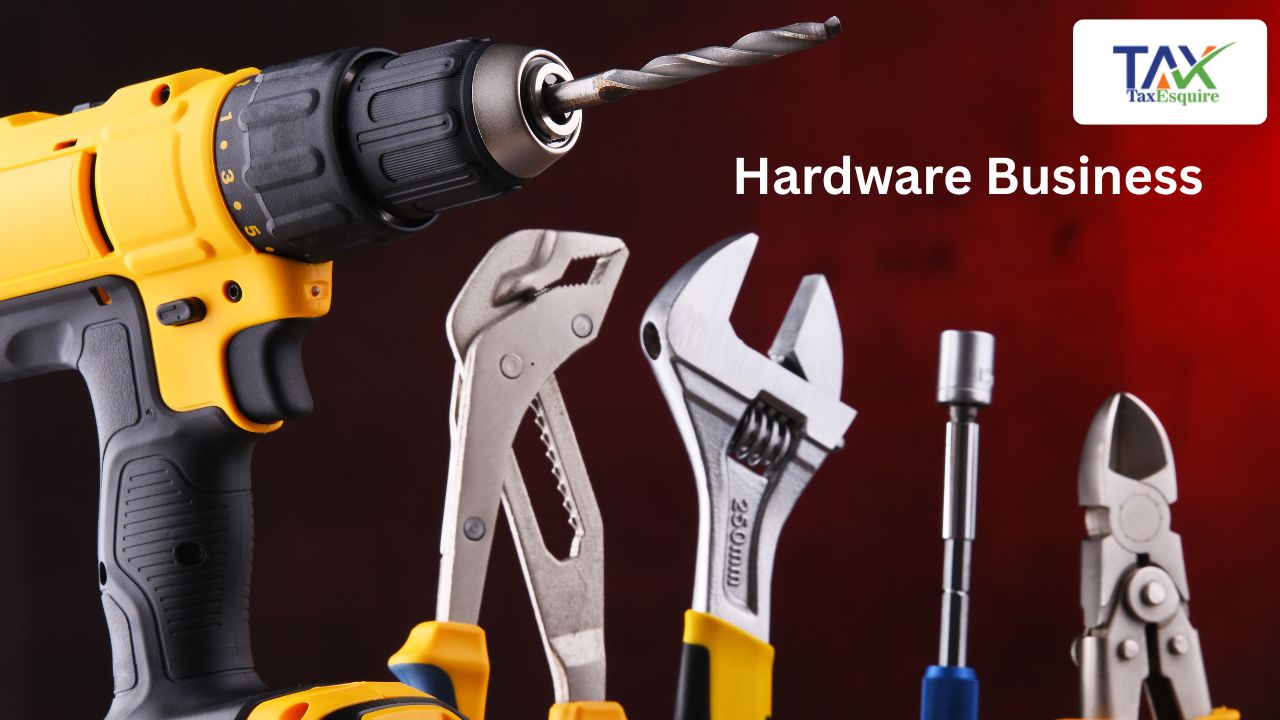
The hardware business is a retail and wholesale industry that deals with essential construction materials, building supplies, plumbing fittings, electrical items, tools, machinery, paints, adhesives, sanitary goods and home improvement products required for residential, commercial, and industrial projects. A hardware shop supplies items such as cement, sand, bricks, pipes, taps, screws, nuts, bolts, power tools, paint, ladders, locks, hinges, tiles, steel rods, bathroom fittings, and other construction materials. With India witnessing rapid urban development, new housing projects, government infrastructure initiatives, and a rise in renovation and interior design trends, the hardware business has become one of the most stable, fast-growing and profitable industries. It can be started on a small scale as a retail store, medium scale as a wholesale supplier or large scale as a building-material dealership. Strong relationships with builders, plumbers, contractors and interior designers play a crucial role in generating steady sales and long-term customer loyalty, making the hardware business an excellent opportunity for entrepreneurs looking for a reliable and high-demand business model supported by professional guidance from taxesquire.in.
How to Start a Hardware Business in India
Starting a hardware business in India begins with choosing whether you want to operate a retail shop, wholesale unit, dealer distributorship, or a combination model. After selecting the business type, the next step is registering your business legally under proprietorship, partnership, LLP or private limited company. The location of the shop plays a major role—it should be close to residential areas, developing construction sites, markets or main roads so customers such as contractors, plumbers, electricians and painters can easily access your store. Once the location is finalized, you must create a list of required materials and select trusted suppliers or manufacturers for inventory purchase. You must set up shelves, display racks, storage areas, billing counters and loading/unloading zones for easy movement of goods. Hiring staff who understand hardware materials, specifications, weights, measurements and product handling is essential. Creating credit-based relationships with contractors, builders and plumbers helps generate regular business. Promoting the store through Google Business listing, WhatsApp marketing, banners and local networking helps attract both retail and bulk customers. Offering genuine products, transparent pricing, fast delivery and after-sales support ensures long-term customer retention in this business.
Documents Required to Start a Hardware Business
An hardware business requires multiple documents for legal operation and wholesale supply compliance. Personal documents include Aadhaar card, PAN card and passport-size photographs of the owner or partners. Business registration documents include certificate of incorporation, memorandum and articles of association, partnership deed, GST registration certificate, MSME Registration, and shop and establishment license. Hardware stores that deal in heavy materials or industrial tools may require additional trade licenses or municipal permissions. If you offer delivery vehicles, then vehicle registration and insurance documents are necessary. Office/shop documents include rent agreement, electricity bill, NOC from the property owner and shop layout approval. Sales-related documents include vendor agreements, purchase invoices, inventory records, staff appointment letters and customer billing systems. Maintaining proper documents helps build trust with builders, government authorities, suppliers and customers. Accurate paperwork also ensures smooth GST filing and legal compliance.
Infrastructure Needed for a Hardware Business
The infrastructure needed for a hardware business depends on its scale and category. A retail hardware shop requires wide display racks, shelves, storage sections, billing counter, weighing machine, packing area, CCTV security, product catalogues, computer billing system and delivery support. A wholesale unit or building-material supply business requires a warehouse with loading space, heavy-duty racks, forklifts or trolleys, delivery vehicles, stock management systems and product safety equipment. Hardware shops need tools such as measuring tape, cutters, pliers, saws, hammers and safety tools for product demonstrations. The shop must be organized so customers can easily identify plumbing, electrical, sanitary, painting and construction categories. An effective inventory management system helps track fast-moving items like pipes, fittings, tiles, cement bags and adhesives. Good infrastructure improves sales, saves time, increases customer convenience and supports business growth.
How Much Does It Cost to Start a Hardware Business in India?
The cost of starting a hardware business depends on whether it is a small shop, medium retail store or large wholesale unit. Below is an approximate cost table:
Category Approximate Cost (₹) Company Registration & Legal Setup 20,000 – 1,50,000 Shop Rent, Interior & Setup 50,000 – 5,00,000 Racks, Shelves, Counters & Storage 20,000 – 2,00,000 Inventory Purchase (Initial Stock) 1,00,000 – 20,00,000 Delivery Vehicle (Optional) 1,00,000 – 8,00,000 Staff Salaries 20,000 – 1,00,000 monthly Billing Software & Computer Setup 10,000 – 50,000 Marketing & Branding 10,000 – 1,00,000
A small hardware shop can start with ₹1 lakh to ₹3 lakh, while medium shops require ₹5 lakh to ₹15 lakh. Wholesale units may require ₹20 lakh to ₹1 crore depending on depth of inventory and size of operations.
How to Get Customers for a Hardware Business
Getting customers for a hardware business requires strong networking, competitive pricing and reliable supply. The first step is listing the store on Google Maps with photos, product lists and customer reviews. Next, you must build strong relationships with builders, contractors, plumbers, electricians, interior designers, carpenters and painters as they generate consistent bulk orders. Offering delivery services, credit options for trusted contractors, seasonal discounts and package deals helps attract large customers. Displaying materials in an organized manner and sharing product details through WhatsApp and social media helps target homeowners and renovation customers. Participating in local exhibitions, partnering with building-material suppliers and maintaining visible signage also increases walk-ins. Customer service, fast replacement support, genuine products and fair pricing are the biggest factors that help hardware businesses retain old customers and gain new referrals.
Role of a Chartered Accountant in Starting a Hardware Business
A Chartered Accountant plays a crucial role in establishing and growing a hardware business because the sector involves high inventory, daily transactions, supplier payments, stock management, GST input claims and seasonal demand fluctuations. A CA helps select the ideal business structure—proprietorship, LLP or private limited company—and completes company registration, GST registration, shop license, MSME registration and financial compliance. A CA prepares stock valuation reports, profit analysis, pricing strategies, purchase planning, financial projections and inventory control systems. Since hardware businesses deal with cash and credit sales, a CA from taxesquire.in ensures transparent accounting, proper GST filing, income tax filing, payroll management, depreciation calculation on tools and vehicles, and annual auditing. They also help secure business loans, supplier credit limits, invoice financing and working capital management. Their guidance ensures accurate books, reduces tax penalties and increases profitability by controlling stock costs and improving cash flow management.
Conclusion
Starting a hardware business in India is an excellent entrepreneurial opportunity due to rapid construction growth, residential development, infrastructure projects and continuously increasing demand for building materials. With proper planning, legal registration, reliable suppliers, skilled staff, strong inventory and customer-focused service, anyone can build a successful hardware business. Offering genuine products, competitive prices, fast delivery and professional service helps build long-term trust. With expert financial and compliance support from taxesquire.in, entrepreneurs can start and grow their hardware business confidently, ensuring clear documentation, stable profitability and strong business expansion.
| Category | Approximate Cost (₹) |
|---|---|
| Company Registration & Legal Setup | 20,000 – 1,50,000 |
| Shop Rent, Interior & Setup | 50,000 – 5,00,000 |
| Racks, Shelves, Counters & Storage | 20,000 – 2,00,000 |
| Inventory Purchase (Initial Stock) | 1,00,000 – 20,00,000 |
| Delivery Vehicle (Optional) | 1,00,000 – 8,00,000 |
| Staff Salaries | 20,000 – 1,00,000 monthly |
| Billing Software & Computer Setup | 10,000 – 50,000 |
| Marketing & Branding | 10,000 – 1,00,000 |
© 2026 Tax Esquire | Expert CA Services in Greater Noida, Uttar Pradesh
8810380146 | info.taxesquire@gmail.com | taxesquire.in
This document is for informational purposes only. For personalised tax advice, consult our chartered accountants.