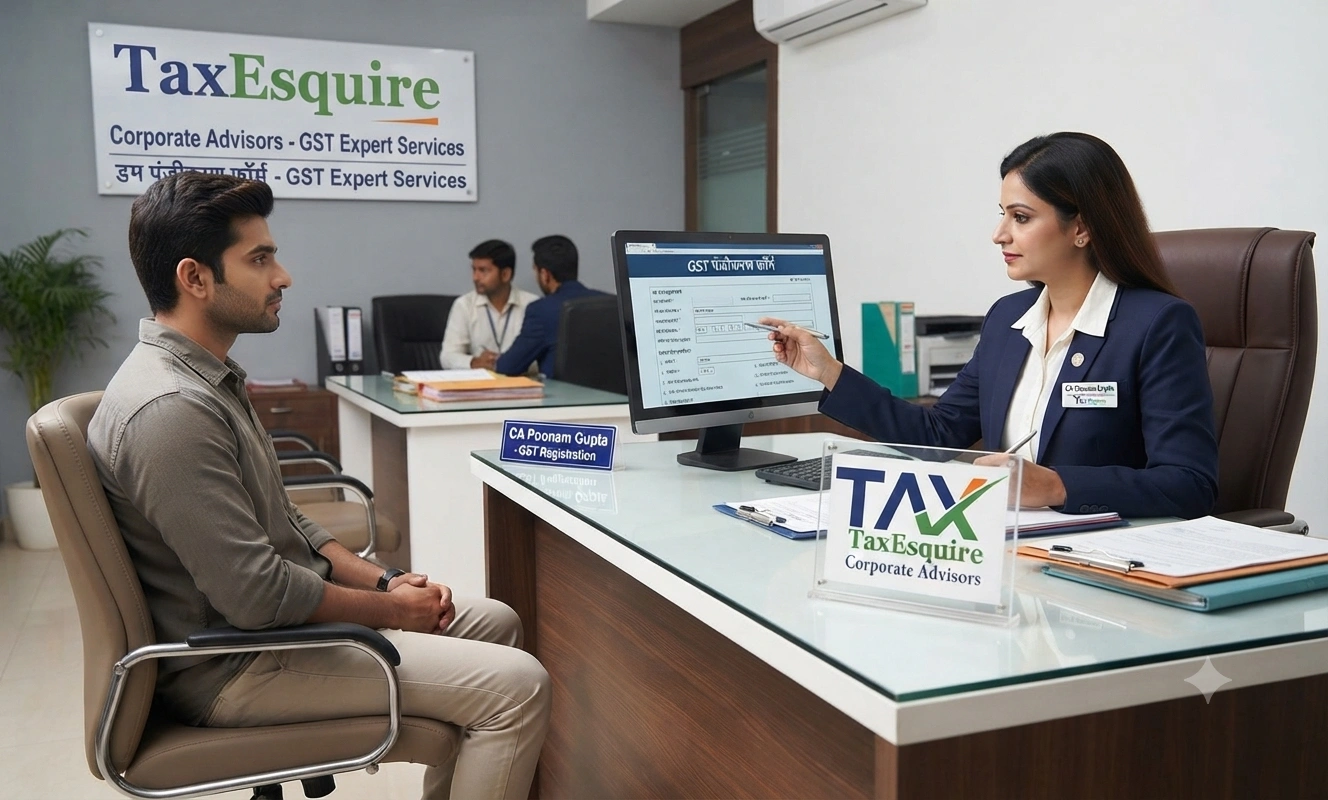
GST Notice Reply in India

A GST notice in India is a formal message sent by tax authorities warning a tax authorities warning a taxpayer of a compliance problem, further disclosure, or taking corrective measures under the GST regime in India. While it may seem to be a reason to panic, the top TaxEsquire in Greaten Noida can assure you that it can be handled easily.
In this blog the leading TaxEsquire will discuss the GST notices, what to do after you receive a notice and how to write a reply to the GST officials.
What is the GST Notice?
Notice under GST are messages sent to taxpayers by GST authorities to remind or warn them about any errors or issues with GST compliance. Sometimes, these notices are simply requests for additional information.In the notice the authorities may ask for more clarification or mention queries related to the GST return filed by the taxpayer.
This type of notices tend to be informed by the non-filing of returns, discrepancies in GST returns, incorrect ITC claims, or information obtained by other departments and third parties, such as e-way bills.
The notices can take different forms based on the nature of the problem; it can be in the form of a scrutiny notice, a SCN(Show Cause Notice) , a demand notice, or an audit notice.
Why Issued GST Notices?
1. Input Tax Credit Differences
2. Mismatch in Reported Details
3. Non-Payment of Tax
4. Wrong GST Refunds
5. Filing Delays
6. Export Reporting Issues
7. Tax Audit
8. Missing Information Returns
9. Unnecessary ITC claims
After receiving a GST Notice, what should we do in compliance with the GST Law?
1. Determine what kind of notice you received.
2. Compile the necessary paperwork
3. Write a clear and concise reply
4. Carefully read the notice and comprehend the problem it raises.
5. Submit the response before the mentioned due date.
How to Reply to GST Notices?
You can respond to GST notices online through the GST portal. A taxpayer may use their own or their authorized personnel's digital signature. If taxes and interest are owed, they must be made in the right way. Once payment has been made, send the response letter to the tax authority that issued the notification in the required format.
A Letter of Authorization enables a taxpayer to assign a representative or a licensed chartered accountant to handle the GST notification.
There are few step to filing
1. Sign in to the GST Portal
2. Select "Services" and then "My Applications."
3. Select the appropriate form to submit your appeal.
4. Enter the necessary information, such as the order number, date, and appeal reason.
5. Include a signed verification form, copies of the order, and any supporting documentation.
6. Pay the appeal's necessary fees
7. Lastly, use the GST site to submit the form online.
The Consequences of Not Responding
The consequences of not responding to a GST notice within the given time may be severe and include
● Fines and charges for pending tax payments.
● Best judgment assessment based on available information
● Striking off of GST registration
Criminal Prosecution in cases of fraud, willful misstatement, or suppression of facts.
Conclusion
GST Notices may seem terrifying,however, as a matter of fact, they are not a punishment most of the time and are merely for information or reminders. The important thing is to respond professionally within the deadline and with the right details.
One of the most important communications that the tax department undertakes in order to correct, clarify, and enforce compliance is the use of GST notices reply. They come into place because of various causes, such as data mismatch and late filings to refund matters or tax requests.
© 2026 Tax Esquire | Expert CA Services in Greater Noida, Uttar Pradesh
8810380146 | info.taxesquire@gmail.com | taxesquire.in
This document is for informational purposes only. For personalised tax advice, consult our chartered accountants.